Why Drip Irrigation Tape Is More Water Efficient Than Traditional Irrigation
Jan 14, 2022
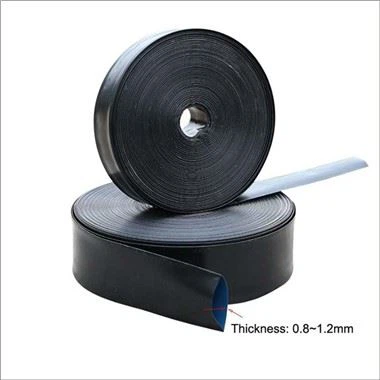
Drip irrigation belt is a popular farmland irrigation equipment in recent years. It uses plastic pipes to send water to the roots of crops through orifices or drippers on capillary tubes with a diameter of about 10mm for irrigation. Because it is more water-saving than traditional irrigation methods, it has been widely used in crop irrigation in recent years. So, do you know why this device is more water efficient than traditional irrigation? The following is a detailed introduction for you.
1. Traditional irrigation requires the construction of canals to irrigate farmland. The canals are built with cement or arched with soil. There will inevitably be evaporation and leakage, and part of the water will be wasted; and the drip irrigation belt is equipped with pumps and filters. In the process of transporting to the field, the transportation loss is completely avoided, and this part of the loss can be completely ignored compared with traditional irrigation.
2. Traditional irrigation methods are irrigated by furrow irrigation, flood irrigation, border irrigation or artificial watering. These methods cover a large area of land with water, the surface forms runoff, and a large amount of water penetrates into the soil that is not touched by crops at all. , coupled with the stagnant water on the soil surface, resulting in waste of evaporation and infiltration; while the drip irrigation belt irrigates the filtered water in a slow and uniform way through various pressure compensation drippers. The position is adjustable and the water flow rate is adjustable, which can accurately transport the water to the root soil of the crops, and other blank soils and weed soils will not directly contact the water, which can greatly reduce the useless soil cover and save a lot of water.
3. Traditional irrigation belongs to periodic excessive irrigation, and the absorption of crops is limited. During each irrigation, a large amount of water may make the roots of the crops difficult to breathe, appear rotted, or the water continues to infiltrate beyond the soil of the roots of the crops, and the water supply is uneven; The former is equipped with on-off valves and complicated pipeline wiring, which can freely control the flow and irrigation time, and can flexibly irrigate according to the water demand characteristics and water demand of crops.
It can be seen from the above that drip irrigation belts can save some water resources in terms of water source transportation and irrigation methods, and the irrigation cycle is more flexible, so it is more water-saving than traditional irrigation methods.