Drip Irrigation System Parts
Jan 24, 2024
Drip irrigation systems have become increasingly popular among farmers, gardeners, and homeowners due to their efficiency and conservation of water resources. A drip irrigation system consists of several parts that work together to deliver water directly to the root zone of plants.
The first part is the water source. This could be a well, a municipal water supply, or a storage tank. The water is then transported through a mainline pipe to the location where the drip lines will be installed.
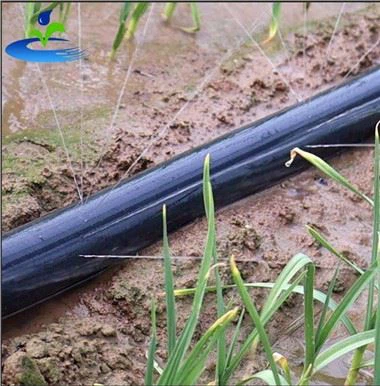
Drip lines are the most critical component of the irrigation system. These lines have small holes, often spaced at regular intervals, through which water drips slowly onto the soil. They are available in various sizes and lengths to meet the needs of different crops and landscapes. Drip lines are usually made of plastic for durability, and they can last for many years.
The next part is the filtration system. Drip lines are small and prone to clogging if debris or sediments are present in the water. A filter should be installed to remove these particles, protecting the system and ensuring consistent water flow to the plants.
The pressure regulator is another essential part of the drip irrigation system. It reduces the water pressure to an acceptable level, preventing the lines from blowing out or leaking. A pressure gauge is often included in the regulator to monitor the pressure and make adjustments as needed.
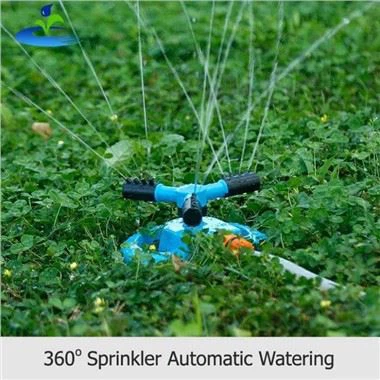
Drip emitters are also used in drip irrigation systems. These are small devices that deliver water at a slow and controlled rate, ensuring efficient use of water. They are attached to the mainline or the drip lines, and they come in different types, such as inline emitters, micro-sprinklers, and bubblers.
Finally, the system needs a timer to automate watering. The timer can be set to deliver water at specific times and days, ensuring the plants receive the right amount of water without wasting any.
In conclusion, the drip irrigation system has numerous parts that work together to provide a highly efficient and effective watering method for plants. Proper installation and maintenance of these parts can result in a healthy and bountiful garden or farm while conserving water resources and reducing water bills.